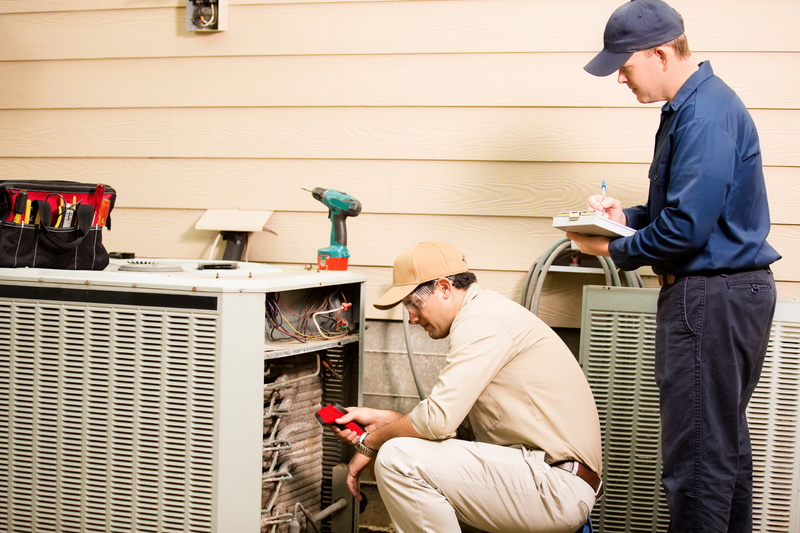
As a homeowner in DC or New York, you're likely no stranger to the importance of a well-functioning heating, ventilation, and air conditioning (HVAC) system. However, when issues arise, it can be daunting to navigate the costs associated with HVAC repair. In this article, we'll delve into the world of HVAC repair costs, exploring the causes, warning signs, and prevention methods to help you make informed decisions about your home's comfort and energy efficiency.
HVAC systems are complex machines that can malfunction due to various reasons. Some common causes of HVAC repair costs include:
Worn-out or Damaged Components
Over time, HVAC components such as compressors, fans, and coils can wear out or become damaged, leading to reduced efficiency and increased energy bills. Regular maintenance can help identify and address these issues before they become major problems.
Improper Installation or Maintenance
A poorly installed or maintained HVAC system can lead to increased energy consumption, reduced airflow, and premature component failure. It's essential to hire a qualified professional for installation and regular maintenance to ensure your system runs smoothly and efficiently.
Clogged Air Ducts
Dirty or clogged air ducts can reduce airflow, increase energy bills, and lead to premature component failure. Regular air duct cleaning services can help maintain your system's efficiency and extend its lifespan.
Faulty Thermostats
A malfunctioning thermostat can cause your HVAC system to work harder than necessary, leading to increased energy bills and reduced comfort. Consider upgrading to a smart thermostat to optimize your system's performance and energy efficiency.
Warning Signs of HVAC Repair Costs
Ignoring warning signs can lead to costly repairs down the line. Some common warning signs of HVAC repair costs include:
Unusual Noises
Strange noises from your HVAC system, such as banging, clunking, or grinding sounds, can indicate worn-out or damaged components.
Increased Energy Bills
A sudden spike in energy bills can indicate a problem with your HVAC system's efficiency or airflow.
Reduced Airflow
Weak airflow from your vents can indicate clogged air ducts, a faulty fan, or a malfunctioning compressor.
Leaks or Water Damage
Leaks or water damage around your HVAC system can indicate a refrigerant leak, a clogged condenser coil, or a malfunctioning drain pan.
Professional Advice for HVAC Repair Costs
When it comes to HVAC repair costs, it's essential to seek the advice of a qualified professional. Here are some tips to keep in mind:
Schedule Regular Maintenance
Regular maintenance can help identify and address potential issues before they become major problems. Consider scheduling annual tune-ups and maintenance services to ensure your system runs smoothly and efficiently.
Invest in a Comprehensive Warranty
A comprehensive warranty can provide peace of mind and protect you from costly repairs down the line. Look for a warranty that covers parts and labor for a minimum of 5 years.
Consider Energy-Efficient Upgrades
Upgrading to energy-efficient components or a new HVAC system can help reduce energy bills and extend the lifespan of your system.
Costs of HVAC Repair
The costs of HVAC repair can vary widely depending on the type and severity of the issue. Here are some estimated costs for common HVAC repair services:
Emergency HVAC Repair
Emergency HVAC repair services can range from $200 to $1,000 or more, depending on the severity of the issue and the technician's rates.
AC Installation & Replacement
AC installation and replacement services can range from $3,000 to $10,000 or more, depending on the size and complexity of the job.
Furnace Repair & Installation
Furnace repair and installation services can range from $500 to $3,000 or more, depending on the severity of the issue and the technician's rates.
Air Duct Cleaning Services
Air duct cleaning services can range from $200 to $1,000 or more, depending on the size and complexity of the job.
HVAC Tune-Up & Maintenance
HVAC tune-up and maintenance services can range from $100 to $500 or more, depending on the frequency and scope of the service.
Prevention Methods for HVAC Repair Costs
Prevention is key when it comes to HVAC repair costs. Here are some methods to help you prevent costly repairs:
Regular Maintenance
Regular maintenance can help identify and address potential issues before they become major problems.
Energy-Efficient Upgrades
Upgrading to energy-efficient components or a new HVAC system can help reduce energy bills and extend the lifespan of your system.
Proper Installation and Maintenance
Proper installation and maintenance can help ensure your system runs smoothly and efficiently.
Conclusion
In conclusion, HVAC repair costs can be a significant burden for homeowners in DC and New York. By understanding the causes, warning signs, and prevention methods outlined in this article, you can make informed decisions about your home's comfort and energy efficiency. Remember to schedule regular maintenance, invest in a comprehensive warranty, and consider energy-efficient upgrades to protect your system and your wallet.